
Spinal Decompression in Hyderabad
Spinal pain can affect your work, exercise, sleep, walking, and everyday activities. Long hours of sitting, lack of movement, previous injuries, muscle weakness, stiffness, and certain spine-related conditions can make normal movement difficult.
At Jaya Physio Clinics, spinal decompression is provided as part of a personalised physiotherapy and rehabilitation plan. The treatment is selected after understanding your symptoms, movement, posture, strength, flexibility, and daily activities.
What Is Spinal Decompression?
Spinal decompression is a physiotherapy approach that may be used to support comfortable spinal movement and manage certain spine-related problems. It may be considered for suitable people with back pain, stiffness, certain disc-related symptoms, or symptoms related to nerve irritation.
Back pain can have many different causes. It may be related to muscle weakness, joint stiffness, poor movement patterns, prolonged sitting, previous injuries, or disc-related problems.
Because every person is different, spinal decompression is not suitable in the same way for everyone. A physiotherapist first assesses the condition and then decides whether spinal decompression should be included in the treatment plan.
Who May Need Spinal Decompression?
Spinal decompression may be considered for people experiencing certain spine and movement-related problems.
A physiotherapy assessment may be useful if you have:
- Lower back pain
- Recurring back pain
- Spinal stiffness
- Reduced spinal movement
- Certain disc-related symptoms
- Sciatica-related symptoms
- Difficulty bending or moving
- Discomfort after prolonged sitting
- Pain during certain exercises
- Difficulty with daily activities
The treatment depends on the cause of the symptoms. Some people may need exercises, manual therapy, strengthening, posture correction, or other rehabilitation methods instead of or along with spinal decompression.
Common Causes of Spine-Related Problems
Spine-related problems can develop because of different physical and lifestyle factors.
Sitting for many hours at work, limited physical activity, repeated bending, incorrect lifting, muscle weakness, and previous injuries can affect normal movement.
Some people may also experience symptoms related to disc problems or irritation around the nerves.
Common symptoms can include:
- Lower back pain
- Back stiffness
- Difficulty bending
- Pain while sitting
- Pain while standing
- Reduced flexibility
- Buttock discomfort
- Pain travelling towards the leg
- Tingling or numbness
- Muscle weakness
The same symptoms can occur because of different conditions. Therefore, proper assessment is important before starting treatment.
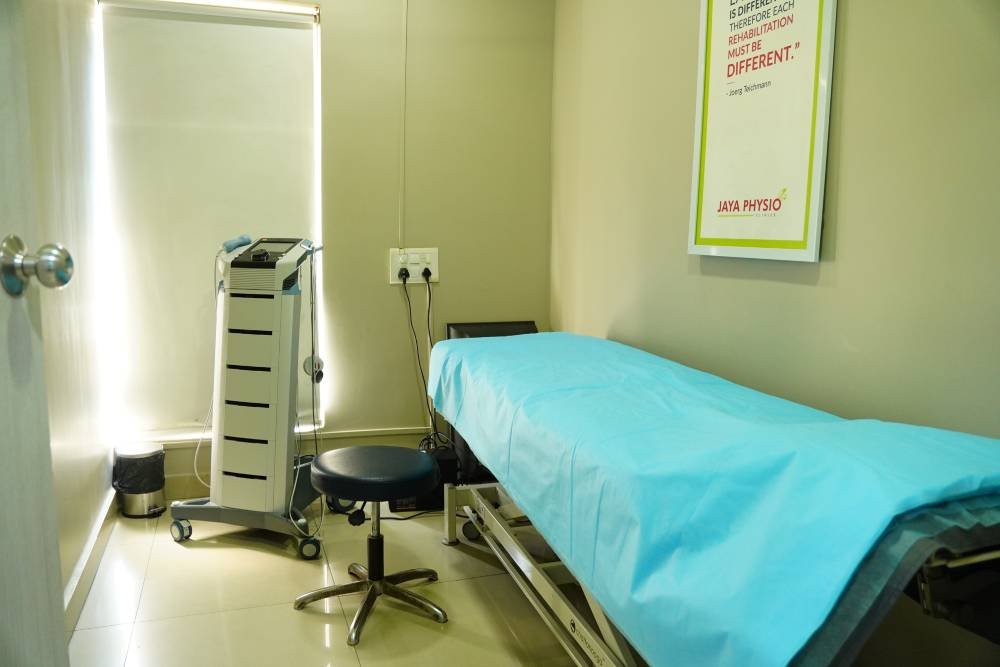
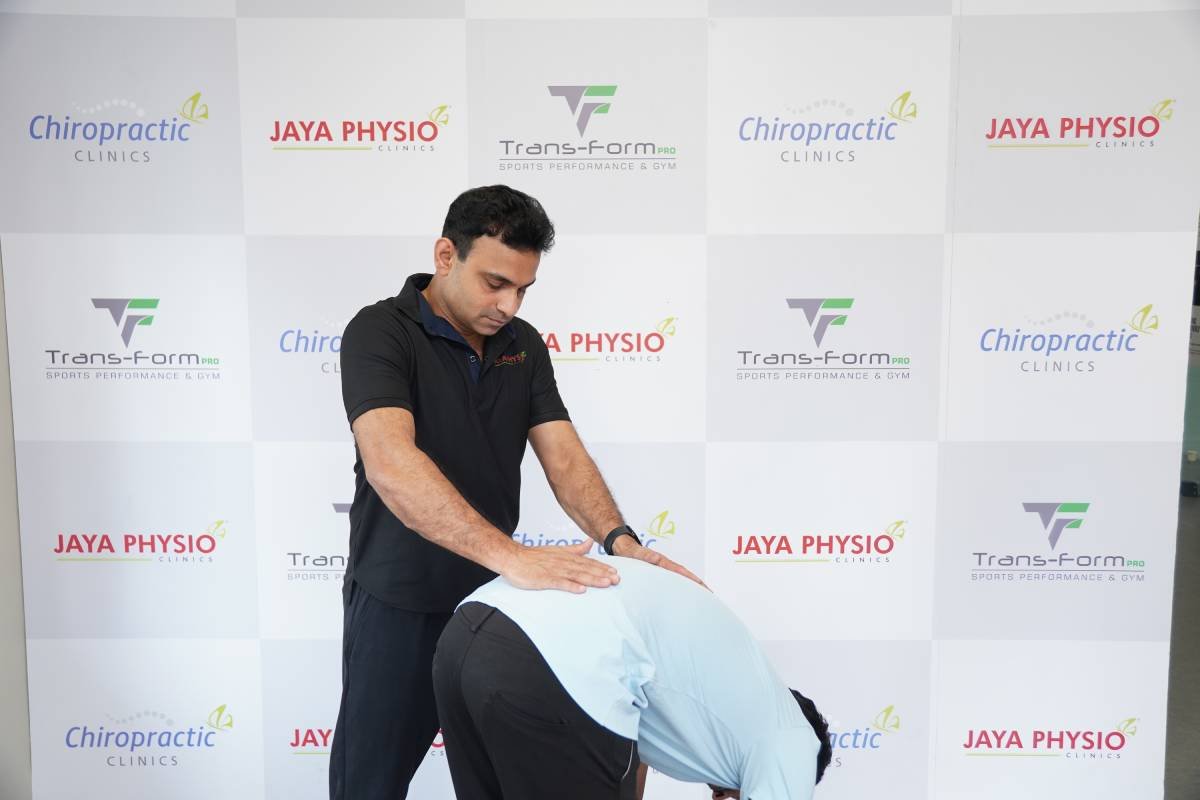
Spinal Decompression Assessment
Treatment begins with understanding your condition.
During the assessment, the physiotherapist may ask about when your symptoms started, what activities make them better or worse, whether the symptoms travel to another area, and how the problem affects your daily life.
The assessment may include:
- Posture assessment
- Spinal movement
- Joint mobility
- Muscle strength
- Flexibility
- Functional movement
- Balance
- Movement control
Previous medical reports, scans, or treatment information may also be considered when available.
After the assessment, the physiotherapist can decide whether spinal decompression is suitable and which other treatment methods may be useful.
How Does Spinal Decompression Physiotherapy Work?
Spinal decompression physiotherapy is not based on one technique alone. Depending on your condition, the treatment plan may combine different physiotherapy approaches.
Spinal Decompression Exercises
Specific exercises may be recommended to support spinal movement and rehabilitation. The exercises depend on your symptoms, mobility, strength, and physical ability.
The exercises can be changed and progressed as your condition improves.
Mobility Exercises
Stiffness around the spine and surrounding joints can affect normal movement. Suitable mobility exercises may help improve movement and make daily activities more comfortable.
Manual Therapy
Manual therapy may be included when appropriate. The technique selected depends on the assessment and your individual treatment requirements.
Neurodynamic Techniques
Some spine-related conditions may involve nerve-related symptoms such as tingling, numbness, or pain travelling towards the leg.
For suitable patients, neurodynamic techniques may be included as part of rehabilitation.
Strengthening Exercises
Strengthening the muscles around the trunk, hips, and lower body can support better functional movement.
Exercises are introduced gradually according to your strength and ability.
Posture and Movement Correction
Long periods of sitting and repeated movements may contribute to discomfort in some people.
Physiotherapy may include advice about posture, work habits, movement patterns, and suitable exercises based on your daily routine.
Spinal Decompression for Back Pain
Back pain can make work, exercise, travel, and household activities difficult.
For suitable cases, spinal decompression can be included as part of a wider physiotherapy program. Treatment may also include mobility exercises, strengthening, manual therapy, posture correction, and activity guidance.
The physiotherapist does not only look at where the pain is located. They also consider how you move, which activities increase your symptoms, whether you have stiffness or weakness, and how the problem affects your daily life.
This helps create a treatment plan based on your individual requirements.
Spinal Decompression for Sciatica
Sciatica-related symptoms can include pain, tingling, numbness, or other sensations that travel from the lower back or buttock towards the leg.You can also read more about sciatica information and common symptoms from the NHS.
Different conditions can cause similar symptoms, so proper assessment is important before selecting treatment.
For suitable cases, physiotherapy may include spinal decompression exercises, neurodynamics, mobility exercises, strengthening, and movement education.
The treatment plan can be adjusted according to your symptoms and progress.
If you experience significant or increasing weakness, loss of bladder or bowel control, numbness around the saddle area, or severe symptoms after a major injury, seek urgent medical attention.
Benefits of Spinal Decompression Physiotherapy
When suitable for your condition, a personalised spinal physiotherapy program may support:
- Better spinal mobility
- Reduced stiffness
- Improved flexibility
- Better muscle strength
- Improved movement control
- Better tolerance for daily activities
- Greater confidence with movement
- Gradual return to exercise
Recovery can be different for every person. It depends on factors such as the cause of the problem, severity and duration of symptoms, physical condition, daily activities, and participation in the rehabilitation program.
Spinal Decompression at Jaya Physio Clinics
Jaya Physio Clinics provides physiotherapy and rehabilitation services in Madhapur, Hyderabad. You can learn more about Jaya Physio Clinics and its approach to physiotherapy and rehabilitation.
The clinic's approach includes assessment, biomechanical analysis, functional screening, exercise therapy, manual therapy, strengthening, mobility work, and rehabilitation.
The clinic also has different physiotherapy technologies and treatment approaches, including:
- Super Inductive System (SIS)
- Laser therapy
- DTS
- Extracorporeal Shockwave Therapy
- Dry needling
- Manual therapy
- Exercise-based rehabilitation
These technologies are not required for every patient. The appropriate treatment is selected according to the patient's condition and assessment.
Why Personalised Treatment Matters
Back pain is different for every person.
An office worker may experience discomfort after sitting for several hours. A gym-goer may experience pain during lifting or exercise. Another person may develop back problems after an injury or a period of reduced activity.
Their treatment requirements can therefore be different.
A personalised physiotherapy program considers your symptoms, movement, strength, flexibility, lifestyle, work requirements, and recovery goals.
This helps the physiotherapist choose treatment according to your specific needs.
Spinal Decompression in Madhapur, Hyderabad
Jaya Physio Clinics is located at Prakash Nilayam building, beside D-Mart, Kavuri Hills, Madhapur, Hyderabad.
The clinic provides physiotherapy and rehabilitation services for people living and working in Madhapur and nearby areas.
If spine-related pain is affecting your work, exercise, walking, or daily activities, a physiotherapy assessment can help you understand the problem and available treatment options.
When Should You Consult a Physiotherapist?
You may consider a physiotherapy assessment when back or spine-related symptoms continue, return frequently, or affect your normal activities.
Professional assessment may be useful if you have:
- Persistent back pain
- Repeated episodes of back pain
- Stiffness after sitting
- Difficulty bending or moving
- Pain during exercise
- Reduced physical activity
- Symptoms travelling towards the buttock or leg
- Difficulty performing normal activities
- Continuing symptoms after an injury
A physiotherapist can assess your condition and explain which treatment approaches may be appropriate.
Recovery and Long-Term Spine Care
Recovery from a spine-related problem can vary from person to person.
Recovery is not only about reducing pain. It can also involve improving mobility, strength, flexibility, movement control, and confidence with daily activities.
As symptoms improve, exercises can be progressed according to your ability.
Following recommended exercises, maintaining suitable physical activity, taking movement breaks during long periods of sitting, and managing daily activities appropriately can support long-term physical function.
Start Your Spinal Decompression Treatment
Spine-related problems can affect your work, exercise, movement, and everyday life. If back pain, stiffness, sciatica-related symptoms, or reduced movement are affecting your daily activities, a professional assessment can help you understand your condition.
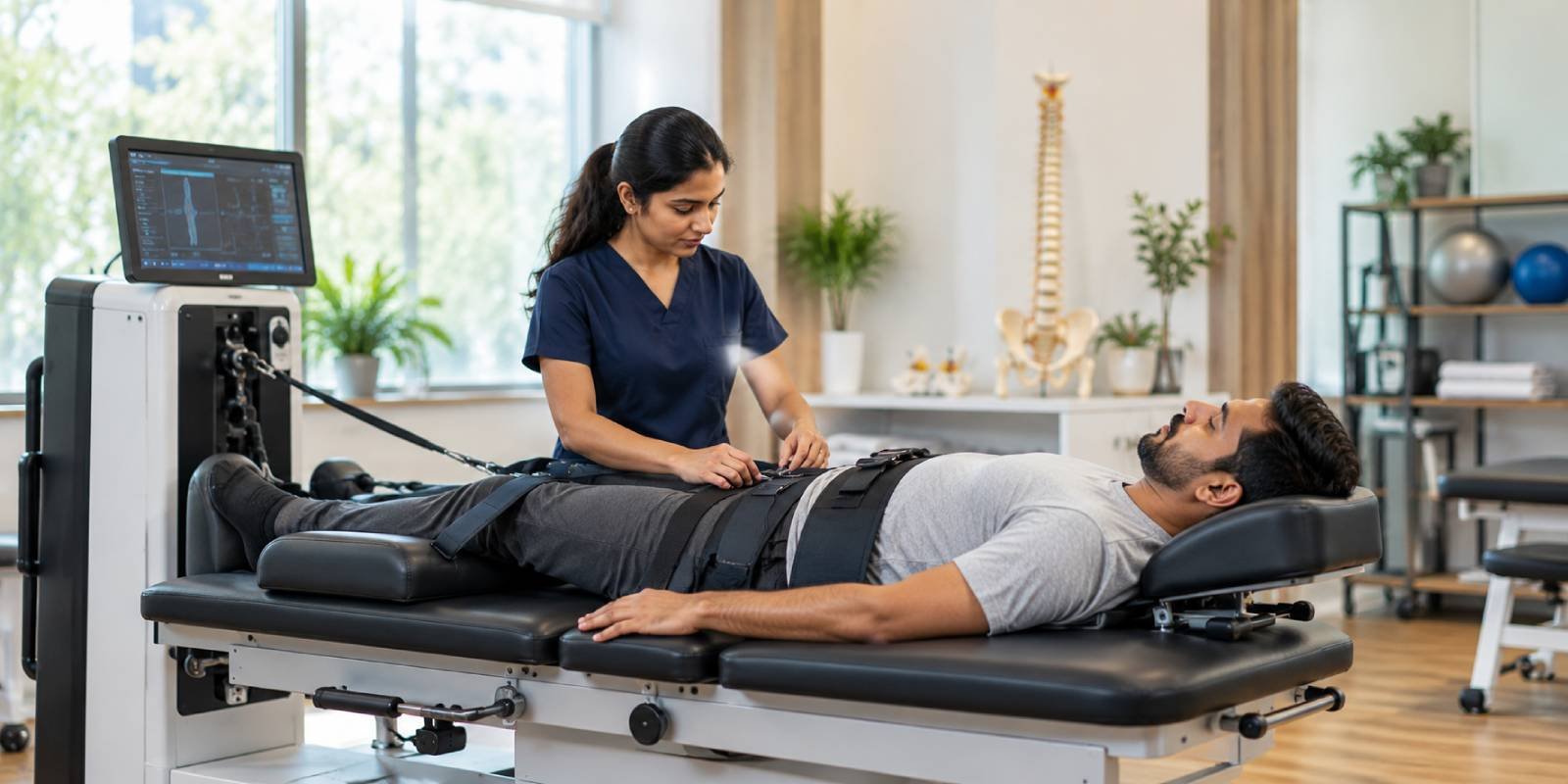
At Jaya Physio Clinics, spinal decompression can be included in a personalised physiotherapy and rehabilitation program when clinically suitable.
Treatment may include spinal decompression exercises, mobility exercises, manual therapy, neurodynamics, strengthening, posture correction, and functional rehabilitation based on your needs.
If you are looking for a physiotherapy clinic in Hyderabad for spine-related problems, visit Jaya Physio Clinics in Madhapur for a professional assessment and personalised treatment plan. You can contact Jaya Physio Clinics to know more about consultation and treatment options.
FAQs
1. What is spinal decompression in physiotherapy?
Spinal decompression is a physiotherapy approach that may help reduce stress around the spine and support comfortable movement. It is selected according to the patient's condition.
2. Is spinal decompression suitable for every back pain problem?
No. Different back pain problems have different causes. A physiotherapist should assess the condition before recommending spinal decompression.
3. Can spinal decompression help with sciatica?
For suitable cases, spinal decompression exercises may be included with neurodynamics, strengthening, mobility exercises, and other physiotherapy treatments.
4. How long does a spinal decompression session take?
Session duration can vary depending on the assessment, treatment plan, and individual requirements.
5. Do I need an assessment before spinal decompression?
Yes. Assessment helps the physiotherapist understand your symptoms and decide which treatment approaches are appropriate.
6. Can spinal decompression be combined with exercises?
Yes. Depending on the condition, treatment may include spinal decompression exercises, strengthening, mobility work, posture correction, and other rehabilitation methods.
7. Where can I get spinal decompression in Hyderabad?
Jaya Physio Clinics provides physiotherapy and rehabilitation services in Madhapur, Hyderabad, including assessment and treatment for suitable spine-related conditions.
8. When should I see a physiotherapist for back pain?
You should consider an assessment if back pain continues, keeps returning, affects movement, or interferes with work, exercise, or daily activities.
